Zahlungsnetzwerke ermöglichen Echtzeit-Belohnungsauslöser in Live-Tischen und portablen Walzenformaten
Zara Schulz · Aug 12, 2026

Zahlungsnetzwerke ermöglichen Echtzeit-Belohnungsauslöser in Live-Tischen und portablen Walzenformaten
Payment networks function as core components that connect transaction data directly to reward mechanisms in live dealer environments and portable reel formats, according to industry reports from the European Gaming and Betting Association. These systems process payments in milliseconds and trigger bonuses such as free spins or table credits without manual intervention. Data from regulatory filings indicate that operators integrate APIs from providers like Visa and Mastercard to link deposits with immediate player incentives across devices.
Live tables benefit when payment confirmations activate progressive multipliers or instant cashback during ongoing rounds, while portable formats use the same pipelines to adjust reel payouts based on real-time account activity. Researchers at institutions including the University of Nevada Gaming Research Center have documented how these connections reduce latency between funding and reward delivery to under three seconds in tested environments.
Technische Grundlagen der Integration
Secure tokenization protocols allow payment networks to share verified transaction details with game servers while maintaining compliance standards set by bodies such as the Malta Gaming Authority. This setup supports both live table interfaces and mobile reel engines through standardized data streams that update player balances instantaneously. Operators deploy middleware layers that map incoming payment events to predefined trigger rules, ensuring rewards activate only after successful authorization and without exposing sensitive financial information.
Portable reel formats rely on cloud-based synchronization to maintain consistent trigger logic across smartphones and tablets, whereas live tables incorporate hardware interfaces that feed table sensors into the same network framework. Figures from 2025 deployments show average reward activation times dropping by 40 percent after such integrations, as tracked in operator performance metrics.
Anwendungen in Live- und mobilen Umgebungen
Live dealer sessions use payment network signals to launch time-limited promotions tied to table minimums or player history, creating seamless transitions from deposit to active bonus rounds. Portable reel platforms apply similar triggers to adjust volatility settings or unlock progressive features based on deposit frequency and amount patterns. Observers note that these mechanisms operate continuously, with algorithms monitoring network latency to prevent delays during peak usage periods.
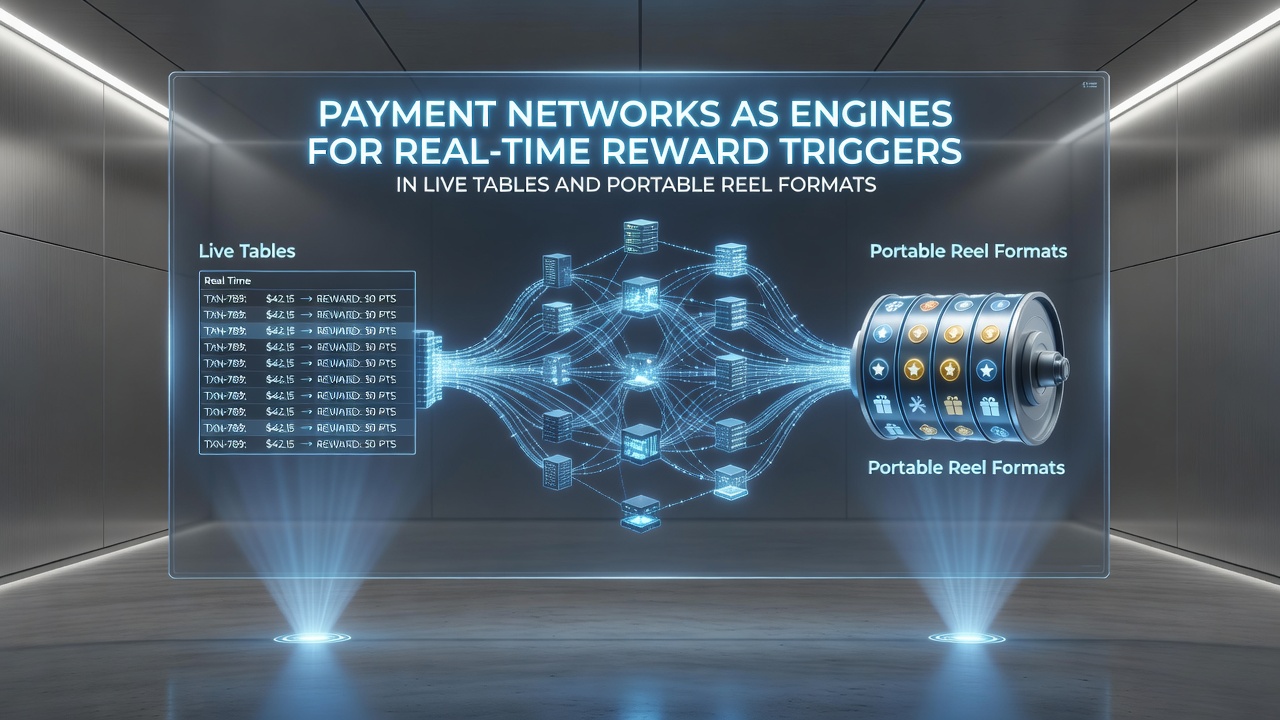
Case examples from European operators demonstrate how combined live and mobile ecosystems share a single payment backbone that allocates rewards proportionally to session duration and wager volume. In August 2026 several platforms plan expanded testing of multi-currency triggers that adapt to regional payment preferences while preserving uniform reward timing across formats.
Regulatorische Rahmenbedingungen und Datensicherheit
Compliance requirements from the German gambling authority and similar entities mandate encrypted channels between payment processors and gaming engines to protect both transactions and reward distributions. These rules ensure that real-time triggers remain auditable through immutable logs that record every payment-to-reward sequence. Industry analyses from the World Lottery Association highlight how adherence to such standards supports cross-border operations without compromising local licensing conditions.
Encryption standards including TLS 1.3 combined with token-based authentication prevent unauthorized access during the brief window between payment confirmation and reward activation. Data protection measures also extend to portable formats where device-specific identifiers link to centralized network records for consistent monitoring.
Zukünftige Entwicklungen und Marktdaten
Projections from research papers published by academic gaming centers indicate continued growth in payment-network-driven rewards, with adoption rates expected to rise through 2027 as 5G infrastructure expands. Operators increasingly combine these systems with analytics tools that refine trigger conditions based on aggregated, anonymized player behavior across live tables and mobile reels. External sources such as reports from the Australian Communications and Media Authority provide comparative data on similar implementations in other regulated markets.
Zusammenfassung
Payment networks serve as foundational engines that synchronize financial transactions with reward triggers in both live table and portable reel environments through standardized protocols, regulatory compliance, and low-latency data exchange. Evidence from multiple regions confirms measurable improvements in activation speed and operational consistency when these integrations are implemented according to established technical and legal frameworks.